


10.04.2026
How
Study
Capillary Inspection in the Food Industry: An Effective Method for Detecting Micro-Defects in Equipment to Ensure Hygienic Safety and Compliance with Quality Standards
What is Capillary Inspection?
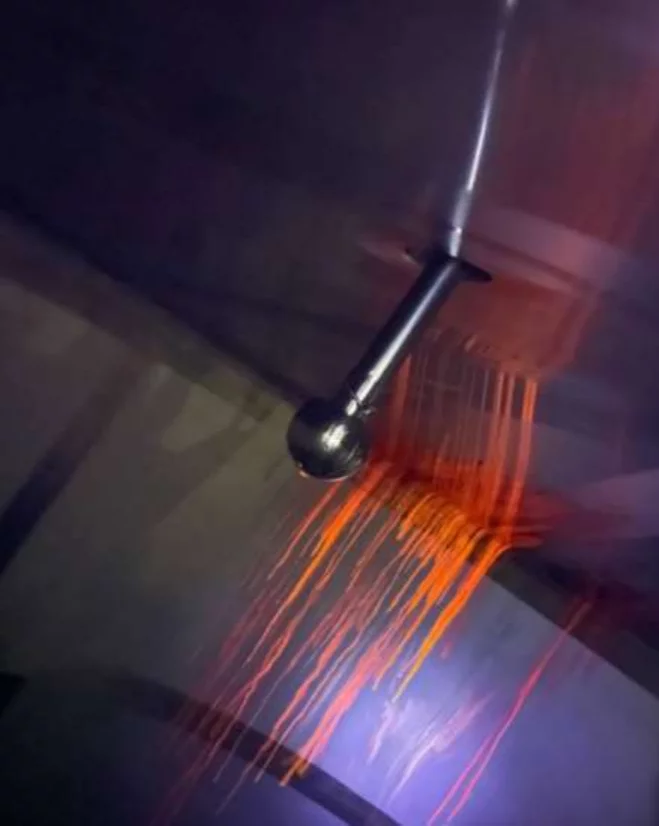
Capillary inspection (penetrant testing, dye penetrant testing) is a non-destructive testing (NDT) method that allows the detection of surface defects in process equipment that are invisible to the naked eye. The method is based on the ability of special indicator liquids (penetrants) to penetrate microcracks and pores, after which a developer is applied to make the defects visible.
This method is particularly effective in the food industry, where process equipment must meet the highest sanitary standards and ensure the quality of the final product.
Where is Capillary Inspection Used in the Food Industry?
- Beverage and Brewing Production
In the production of soft drinks and beer, maintaining hygienic standards is critical to ensuring product quality and consumer safety. Regular inspection of process equipment helps identify potential sources of microbiological contamination and maintain a high level of sanitation.
Equipment subject to inspection:
- Mixing and fermentation tanks: Inspection of welds and internal surfaces for microcracks that may accumulate residues and promote microbial growth.
- Heat exchangers: Inspection of plates for defects that may lead to inefficient cooling or pasteurization.
- Filtration equipment: Control of filter tightness to prevent contamination.
Example of hygiene importance:
At one brewery, increased microbiological contamination was detected. Inspection revealed microcracks in weld seams of fermentation tanks, which became contamination sources. Timely repair restored aseptic conditions and product quality.
Regular inspection is essential for maintaining hygiene and product safety.
- Dairy Production
Dairy products are highly sensitive to contamination, making equipment inspection critical for compliance with HACCP, ISO 22000, and FSSC 22000.
Equipment inspected:
- Pasteurizers and heat exchangers: Checking welds and surfaces for microcracks.
- Milk storage tanks: Inspection of internal surfaces and welds.
- Separators and homogenizers: Inspection for microdefects affecting processing quality.
- Tanks and vessels: Detection of defects promoting contamination.
Capillary inspection is a highly sensitive NDT method for detecting surface defects that may lead to leakage or equipment failure.
Key Technical Advantages:
- Early detection of defects
Detects microcracks invisible to visual inspection. - Improved sanitation efficiency
Helps optimize CIP cleaning processes. - Monitoring of heat exchangers
Prevents efficiency loss and contamination. - Maintenance optimization
Reduces downtime and unexpected failures. - Hygienic safety
- CIP efficiency control
- Cost optimization
- Product quality assurance
- Equipment durability
- High accuracy – detects defects from 0.01 mm
Recommendation: Integrate capillary inspection into preventive maintenance systems.
The method is ideal for dairy, brewing, beverage, confectionery, pharmaceutical industries and more.