


22.06.2026
How
Study
Why Is Your Heat Exchanger Not Cleaning Properly During CIP? 7 Mistakes That Lead to Downtime and Lost Productivity
Is Your Heat Exchanger Still Dirty After CIP? The Problem May Be in the System Design
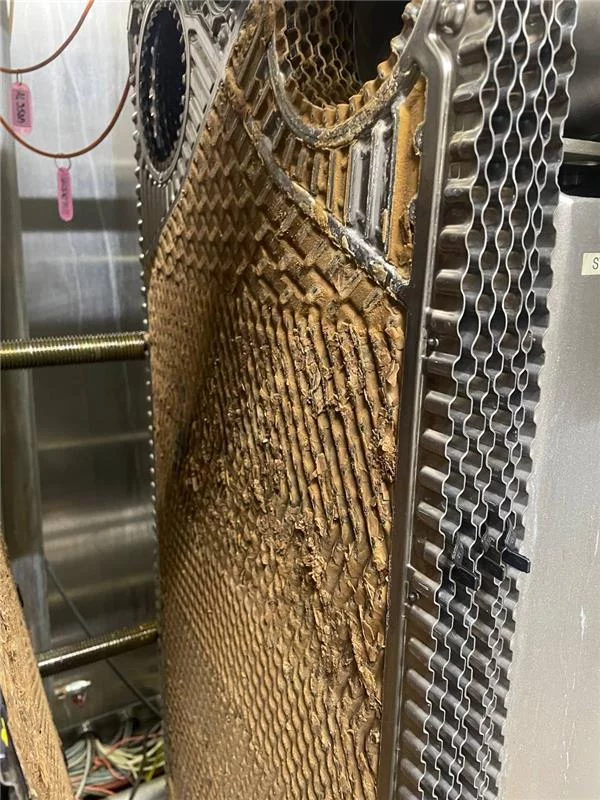
In many food, dairy, pharmaceutical, and other hygienic processing facilities, heat exchangers are among the most challenging pieces of equipment to clean effectively. Even with a properly configured CIP (Clean-in-Place) program, residual deposits, biofilms, and product buildup can accumulate inside the channels, reducing heat transfer efficiency and creating food safety risks.
In most cases, the root cause is not the cleaning chemicals or cycle duration, but flaws in the design of the equipment and the CIP system itself. As a result, manufacturers often face:
- Longer cleaning cycles
- Frequent production downtime
- Excessive consumption of water, steam, and chemicals
- Reduced heat transfer efficiency
- Increased risk of microbiological contamination
- Premature equipment wear
Let’s examine the most common mistakes and how to avoid them.
1. Insufficient Flow Velocity During CIP
One of the most common issues is a low circulation velocity of the cleaning solution.
Effective cleaning requires turbulent flow conditions. If the flow velocity is too low, the cleaning solution cannot generate enough mechanical action to remove deposits, allowing fouling to remain on the heat exchanger surfaces.
Signs of the Problem:
- Residual deposits remain after cleaning
- CIP intervals become shorter
- Pressure drop increases
What You Can Do:
- Verify CIP pump performance
- Ensure piping does not create excessive pressure losses
- Calculate the required flow velocity for the specific heat exchanger
2. Uneven Distribution of the Cleaning Solution
Even with adequate flow rates, some heat exchanger channels may receive less cleaning action than others.
Common causes include:
- Incorrect equipment connections
- Poor piping layout
- Uneven flow distribution
In such cases, specific areas become hotspots for product buildup and biofilm formation.
Recommendations:
- Conduct a hydraulic audit of the CIP circuit
- Use CFD (Computational Fluid Dynamics) modeling for complex systems
- Verify flow distribution during commissioning and operation
3. Ignoring Product Characteristics
Not all products behave the same way when heated.
The following products are particularly prone to fouling:
- Milk and dairy products
- Protein concentrates
- Pulp-containing juices
- Syrups
- Plant-based beverages
- Products with high sugar or fat content
Over time, these deposits create an insulating layer that significantly reduces heat transfer efficiency.
How to Prevent It:
- Select the appropriate heat exchanger design
- Operate within optimal temperature ranges
- Avoid extending production runs beyond recommended CIP intervals
4. Lack of Fouling Monitoring
Many facilities only initiate cleaning after performance problems become apparent.
This reactive approach often leads to:
- Increased energy consumption
- Higher chemical costs
- Extended downtime
Fouling develops gradually and should be monitored before it causes serious operational issues.
Key Parameters to Monitor:
- Pressure drop
- Heat transfer coefficient
- Steam consumption
- Time required to reach operating conditions
5. Incorrect Selection of CIP Chemicals
Even the best-designed system cannot deliver effective cleaning without the proper cleaning agents.
Common Mistakes:
- Caustic concentration is too low
- Acid cleaning cycles are insufficient
- Aggressive chemicals damage gaskets and seals
- Cleaning chemistry does not match the type of fouling
Organic residues are typically removed using alkaline solutions, while mineral deposits require acid cleaning cycles.
Recommendations:
- Regularly verify chemical concentrations
- Monitor cleaning solution temperatures
- Follow the heat exchanger manufacturer’s chemical compatibility guidelines
6. The Heat Exchanger Is Not Designed for Effective CIP
Some heat exchangers have inherent design limitations that make cleaning difficult.
Potential issues include:
- Dead zones
- Complex channel geometries
- Excessively long flow paths
- Hard-to-reach areas
Modern hygienic heat exchangers are specifically engineered to ensure complete surface wetting and stable turbulent flow during CIP operations.
What to Look for When Selecting Equipment:
- Compliance with 3-A and EHEDG standards
- Elimination of dead zones
- Full CIP automation capability
7. Failure to Analyze Data After Cleaning
Many manufacturers assess CIP effectiveness only through visual inspection or laboratory testing.
However, modern systems allow continuous monitoring of:
- Cycle temperature
- Water consumption
- Conductivity
- Chemical concentration
- Duration of each cleaning stage
This data helps identify cleaning issues before fouling affects production performance.
How Can You Tell If Your Heat Exchanger Needs CIP Optimization?
The following symptoms may indicate that your system requires an audit:
- The heat exchanger cannot achieve the required product temperature
- Energy consumption is increasing
- Pressure drop continues to rise
- Cleaning intervals are becoming shorter
- Microbiological deviations occur
- CIP cycle duration is increasing
Does Your Heat Exchanger Require More Frequent CIP Cleaning?
If your equipment quickly loses performance after cleaning, steam, water, and chemical consumption continue to rise, or you are experiencing difficulties passing microbiological inspections, the problem may not be your CIP recipe. The issue may lie in the system design or improperly selected operating parameters.
The specialists at Viravix provide comprehensive CIP audits, evaluating:
- Heat exchanger and process line design
- Effectiveness of existing CIP programs
- Flow velocity and system hydraulics
- Water, steam, and chemical consumption
- Potential dead zones within the process
- Compliance with EHEDG requirements and hygienic design principles
Based on the audit results, you receive practical recommendations to reduce downtime, lower cleaning costs, and improve overall production efficiency.
👉 Request a CIP Audit from Viravix and discover where your facility is losing time, energy, and money.
Frequently Asked Questions
- How can I tell if my CIP system is operating inefficiently?
Common indicators include increasing pressure drop, declining heat transfer performance, rising steam consumption, and shorter intervals between cleaning cycles.
- Can a CIP audit reduce production costs?
Yes. In many cases, a professional CIP audit helps reduce water, chemical, and energy consumption without requiring major equipment upgrades.
- Which industries can benefit from a CIP audit?
CIP audits are particularly valuable for dairy plants, beverage manufacturers, juice producers, breweries, confectionery facilities, plant-based beverage producers, pharmaceutical manufacturers, and other hygienic processing industries.